

A tailgate bag turns the largest unused surface on your truck into working storage. Trash, recovery gear, firewood, wet waders, muddy boots: everything that shouldn't ride in the cab gets a home outside it.
Buy the right one and it disappears into your setup for a decade. Buy the wrong one and you'll watch it sag, fade, and grind against your paint until you replace it, usually with the bag you should have bought first.
This guide covers the whole decision: which type of bag fits your vehicle, how to size it, which materials survive and which quit, and what you're actually paying for at each price tier. It's long because the decision has more variables than most roundups admit. Use the section list to jump to what you need.
The Short Version
If you want the answer without the homework:
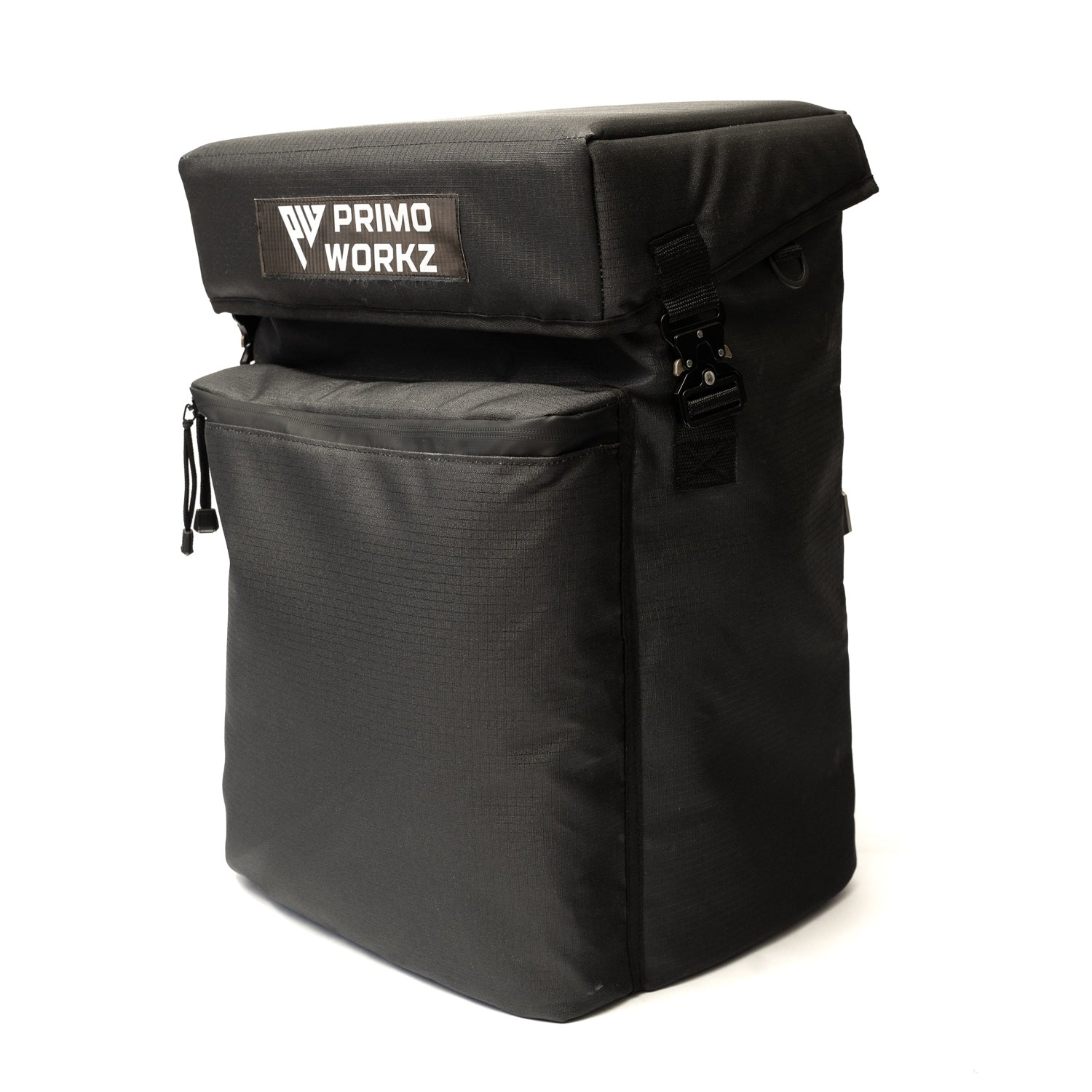
Pickup with a standard tailgate: get a purpose-built tailgate bag. Ours comes in Small (12 gal) and Large (14 gal). Small for mid-size trucks and cleaner fits, Large for full-size rigs and maximum capacity.
Jeep, Bronco, 4Runner, or anything with a rear-mounted spare: get a spare tire bag instead. The tire is your mounting point, not the tailgate.
Occasional use, tight budget: a soft-sided import will limp through a season or two. Read the materials section first so you know what you're giving up.
Everyone else, read on. The details are where the money gets saved.
Step 1: Confirm a Tailgate Bag Is the Right Type
Exterior truck storage comes in a few families, and they solve different problems.
Tailgate bags mount flat against the tailgate. They're the right call for carrying trash, wet gear, and dirty equipment you want accessible without climbing into the bed. Weight rides close to the truck, rear visibility stays clear, and nothing interferes with your hitch.
Spare tire bags strap around a rear-mounted spare. Same job, different mounting surface, built for the Jeep and SUV crowd. If you've heard of the Trasharoo, this is its category, and we've broken down the best alternatives to it here.
Bed boxes and drawer systems are for securable, weatherproof storage of expensive gear. They're a complement to a tailgate bag, not a substitute. Nobody wants camp trash in a $1,500 drawer system.
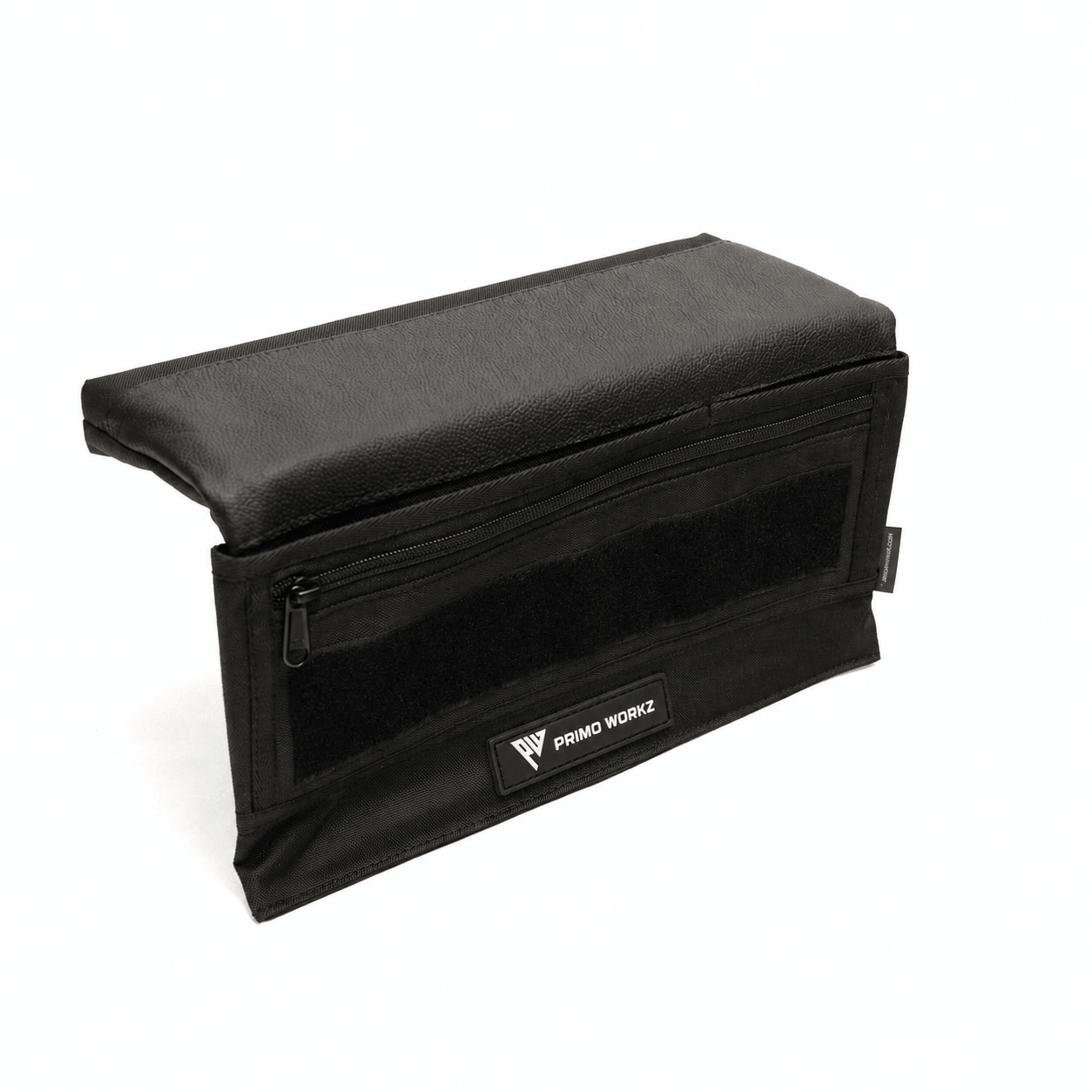
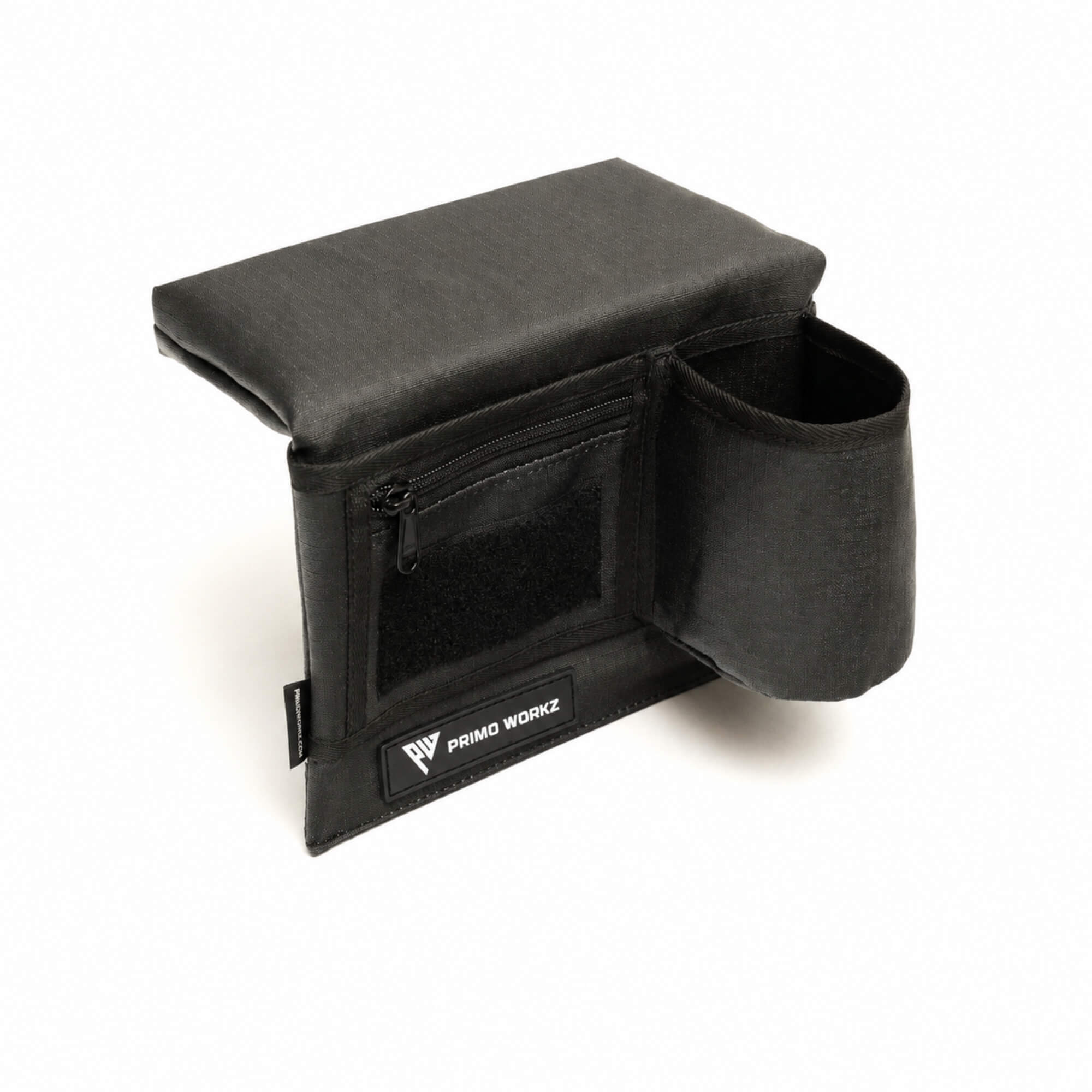
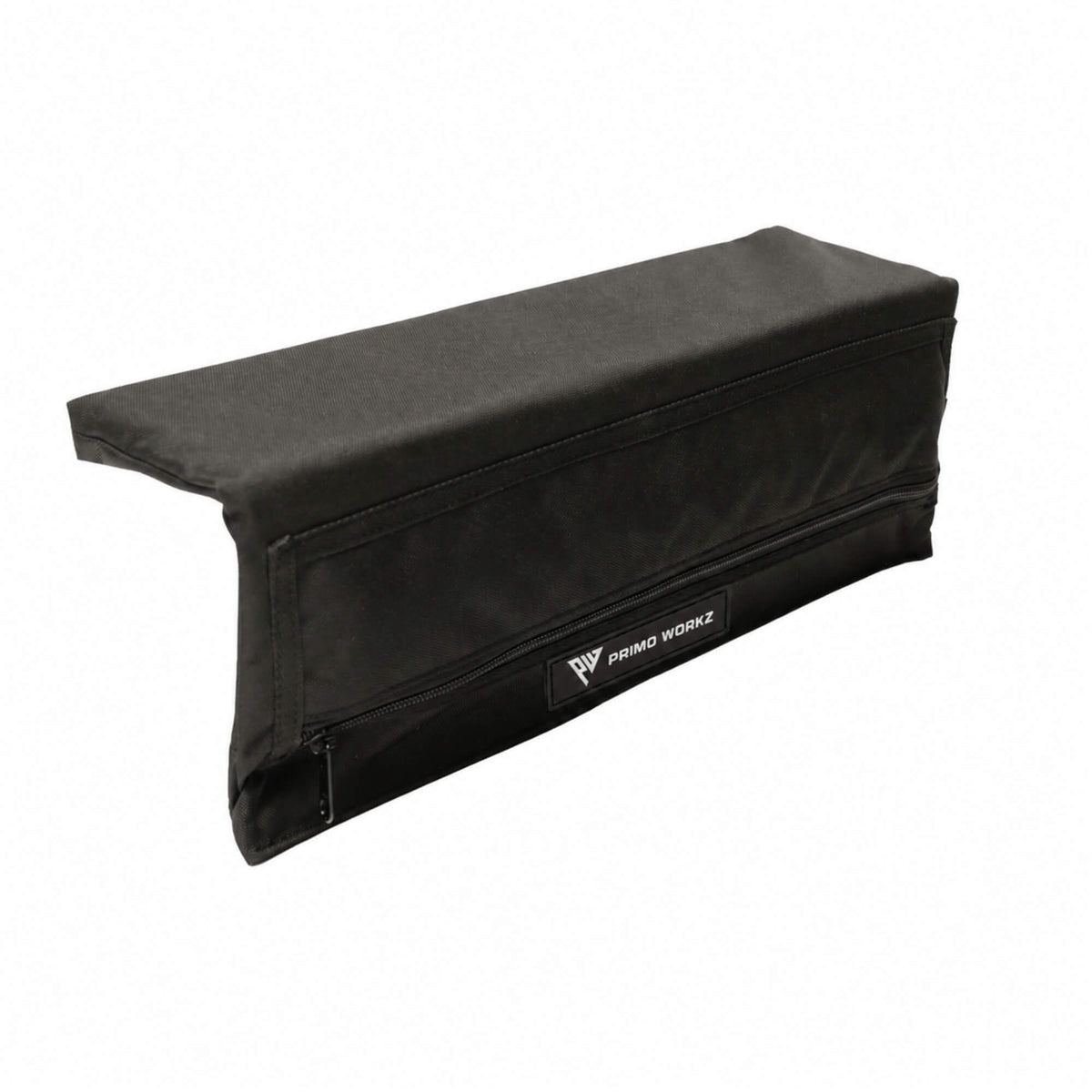
MOLLE panels and expansion bags add modular exterior capacity. Our tailgate bags include built-in mounts for side storage bags, so the platform grows if your loadout does.
If your gear list is "the dirty stuff," you're in the right guide.
Step 2: Size It to Your Truck

Fitment complaints in this category almost always trace back to skipped measuring. Three numbers tell you everything:
Tailgate width and height. Measure the flat face of the tailgate, edge to edge and top to bottom. The mounting pad needs to sit fully on painted flat surface, clear of badges, cameras, and handle cutouts.
Strap reach. Straps route over and under the tailgate to secure the pad. Trucks with tall tailgates or plastic caps on the top edge can shorten usable strap length, which is worth checking against the manufacturer's spec. Some F-150 owners, for example, find short straps a tighter job on tall gates.
Ground clearance with the gate down. A larger bag can hang low enough that you'll lift its bottom edge when you drop the tailgate. That's a normal tradeoff on full-size bags; just know it before you buy.
General sizing by truck class:
Mid-size trucks (Tacoma, Ranger, Colorado, Frontier, Gladiator) usually fit a small bag cleanly. The Gladiator's shorter gate makes the Small the smarter pick even though the truck feels full-size. Full-size trucks (F-150, Silverado, Ram 1500, Tundra) carry a large bag comfortably and benefit from the extra capacity. Heavy-duty trucks fit either; go Large.
If your truck runs an in-bed or under-bed spare, none of this changes. If you've mounted a swing-out carrier or hitch-mounted spare, check clearance between the carrier and the tailgate face before ordering anything.
Step 3: Materials, Because This Is Where Bags Die
Every dead tailgate bag failed at one of five points. Here's what to demand at each.
The shell. Coated ripstop is the modern standard: light, waterproof, UV-resistant, and easy to hose out. Canvas offers a softer premium feel with excellent durability. Vinyl (what some American-made competitors use) is tough and waterproof but heavier and stiffer. Uncoated fabric of any kind is a countdown timer; sun exposure turns it gray and brittle within a couple of seasons.
The liner. Glued-in liners flake apart after a few washes, which is one of the most repeated complaints about first-generation bags in this category. A PVC-lined interior bonded properly, or a shell that needs no separate liner, avoids the failure entirely.
The zippers. YKK or walk away. Weather-sealed YKK zippers are a small line item that predicts the whole bag's build philosophy. Off-brand zippers corrode, split, and strand you with a bag that won't close.
The hardware. Cold-weather clip failure is the other legendary complaint. Look for industrial-grade quick-release buckles and reinforced stitching at every stress point. If a listing doesn't mention the hardware, the hardware is the cheapest available.
The mounting interface. Nothing metal should ever touch paint. Our bags use a Gecko webbing mounting pad with soft-touch backing, and the pad is available separately as a replacement or to mount a spare tire bag on a tailgate safely. Whatever you buy, the contact surface is the difference between a bag that protects your truck and one that sandblasts it.

Step 4: The Design Features That Earn Their Keep
Past materials, a handful of design decisions separate gear you'll love from gear you'll tolerate.
Structure. A stiffened back panel and reinforced bottom keep the bag upright, shaped, and easy to load whether it's empty or holding forty pounds. Soft-sided bags collapse into sacks that fight you at every step.
Tailgate access. The best designs pivot with the tailgate. Release two clips and the bag swings clear, so dropping the gate to grab a cooler doesn't mean unstrapping your whole setup. This single feature is the most common "wish I'd known" in owner reviews across the category.
Drainage. Grommets in the base let melted ice and wet gear drain instead of pooling. Mandatory for anyone hauling fish, fowl, or rain-soaked anything.
Compartments. A separate front pocket keeps gloves, straps, and quick-access gear out of the trash cavity. More pockets aren't automatically better; a cavernous main compartment plus one organized front section covers nearly every real loadout.
Removability. Quick-release clips mean the bag comes off in seconds for cleaning, loading lumber, or lending to a buddy. Bags that are a project to remove become bags that never come off, and never get cleaned.
Expandability. Built-in mounting points for side bags let the system grow. Useful if your trips are getting longer; skippable if they're not.
Who's Hauling What: Matching the Bag to the Job
Overlanding and trail runs. Pack-it-out trash is the founding use case. A 12 to 14 gallon capacity swallows a weekend of camp waste, and a structured bag keeps it sealed and off your paint through washboard and brush. This is the loadout our Large was built around.
Hunting and fishing. Wet waders, muddy boots, decoy lines, and the parts of a successful trip you don't want inside the cab. Drainage grommets and a hose-out interior matter most here. Sportsmen are the heaviest users of the front pocket for gloves and game bags.
Jobsite and fleet. Dirty tools, rags, and site trash stay out of a work truck's cab, which matters when the truck is also your office. Tool-free install matters for fleets; nothing gets drilled, so nothing affects the lease or resale. Our fleet program exists for exactly this buyer.
First responders and long-shift drivers. Less about trash, more about staging gear you need fast without burying it in the bed. Structure and quick access are the specs to prioritize.
Daily driving. Even if the truck never leaves pavement, a tailgate bag is where gym bags, return packages, and take-to-the-dump loads live. The Small fits this life perfectly.
What Tailgate Bags Cost, and What the Money Buys
Under $50: the imports. Soft-sided, unbranded hardware, glued liners, and a shared factory behind most of the labels. Fine for occasional use. The failure points are hardware and stitching, usually inside two seasons.
$50 to $100: the middle. This tier includes the bags that created the category and the better imports. You get real capacity and decent fabric; you usually don't get structure, sealed zippers, or a paint-safe mounting system. This is the buy-it-twice zone for heavy users.
$100 and up: the premium tier. Structured construction, coated ripstop or heavy vinyl, YKK zippers, engineered mounts, and real warranties. Ours lives here, alongside American-made competitors we respect. The math is simple: one premium bag typically outlasts two or three mid-tier replacements, and it protects the paint of a truck worth hundreds of times its price.
The honest advice: buy the cheapest bag that survives your actual usage. For twice-a-year campers, that's the middle tier. For anyone whose truck works weekly, premium pays for itself.
Installation and Care
Install takes about a minute: position the mounting pad on the tailgate face, route and secure the straps, clip the bag on. No tools, no drilling, no adhesives, nothing permanent. The photo walkthrough is in our install guide.
Care is minimal but not zero. Hose out the interior after wet or dirty loads, and periodically clean between the mounting pad and the tailgate; grit trapped against paint is how even a soft pad can eventually mar a finish. Off-season, clip the bag off and store it out of the sun. That's the entire maintenance schedule.
The Five Mistakes Buyers Make
- Buying a spare tire bag for a truck. It will never sit right, and it's the source of most scratched-tailgate stories. Match the bag to the mounting surface.
- Skipping the tape measure. Two minutes of measuring prevents the only common fitment complaint in this category.
- Ignoring hardware specs. The fabric almost never fails first. The clips do.
- Assuming waterproof means submersible. Quality bags shed rain and spray. Nothing in this category is a dry bag, and no honest brand claims otherwise.
- Buying capacity you can't clear. The biggest bag isn't the best bag if it drags when the tailgate drops and you're not using the volume. Size to your truck and your trips.
Tailgate Bag FAQ
What is a tailgate bag used for? Exterior storage of trash, recovery gear, firewood, and wet or dirty equipment on a pickup truck. It mounts to the tailgate so the mess rides outside the cab and stays put outside the bed.
Will a tailgate bag damage my paint? A well-designed one won't. Look for a soft-touch, non-abrasive mounting pad and zero exposed metal at contact points, and keep the contact area clean. Cheap bags with bare hardware are where the horror stories come from.
What size tailgate bag do I need? Mid-size trucks and Gladiators: 12 gallon Small. Full-size trucks: 14 gallon Large, with the caveat that larger bags may need a lift of the bottom edge when dropping the gate.
Can I open my tailgate with the bag on? With a pivoting design, yes. Release the lower clips and the bag swings clear as the gate drops. Fixed-mount soft bags generally have to come off or flop.
Are tailgate bags waterproof? Premium bags built from coated ripstop with sealed YKK zippers shed rain, mud, and spray reliably. Treat "waterproof" as weatherproof, not submersible.
Tailgate bag or spare tire bag? Pickup: tailgate bag. Vehicle with a rear-mounted spare: spare tire bag. Full comparison in our Trasharoo alternatives breakdown.
Do tailgate bags work on SUVs? No tailgate, no tailgate bag. SUV owners with rear-mounted spares should run a spare tire bag; SUVs without one are better served by interior cargo solutions.
Where to Go From Here
If you know your truck and your loadout, the tailgate bag collection has the full lineup, and every bag ships with a 30-day risk-free trial and a one-year warranty.
If you're still comparing, we've done the legwork: our deep dive on what makes a tailgate bag last, and the honest field of Trasharoo alternatives including the competitors we think are worth your money.
And if you're not sure what fits your specific truck, contact us with your year, make, and model. We'll tell you straight, even if the answer is the Small when you wanted the Large.

Share:
7 Best Trasharoo Alternatives That Actually Hold Up
Why Your Arm Hurts After Driving (And How to Fix It)